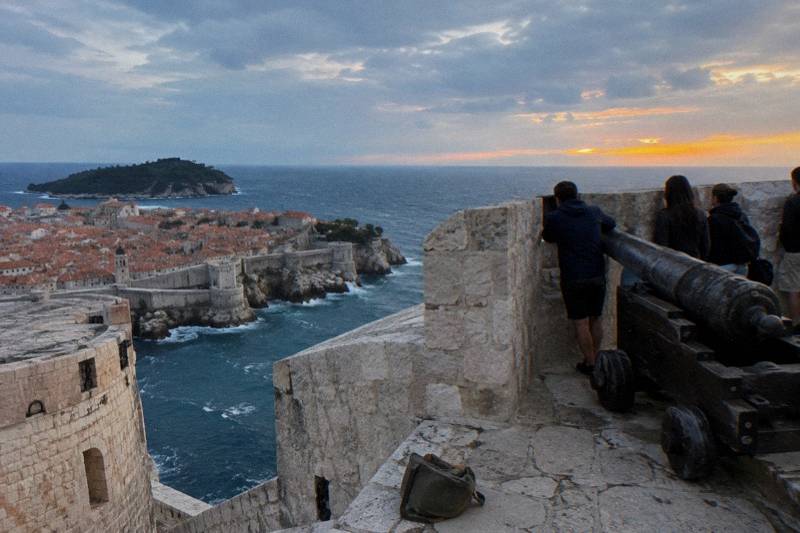
What Should You Wear And Bring To Walk The Dubrovnik City Walls?
A practical packing guide for the Dubrovnik walls: shoes for limestone, water, sun protection, what the official rules say you can and cannot bring.
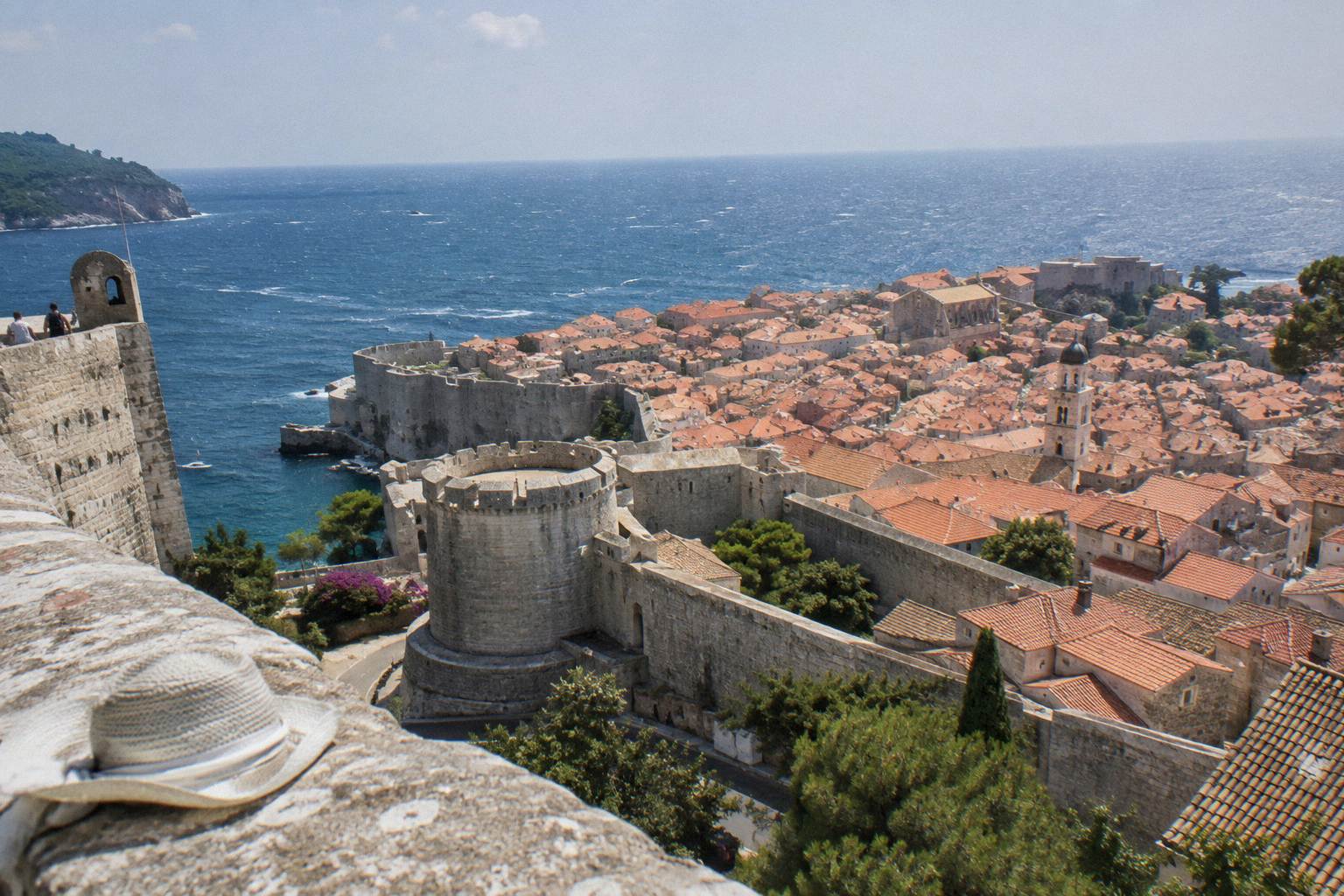
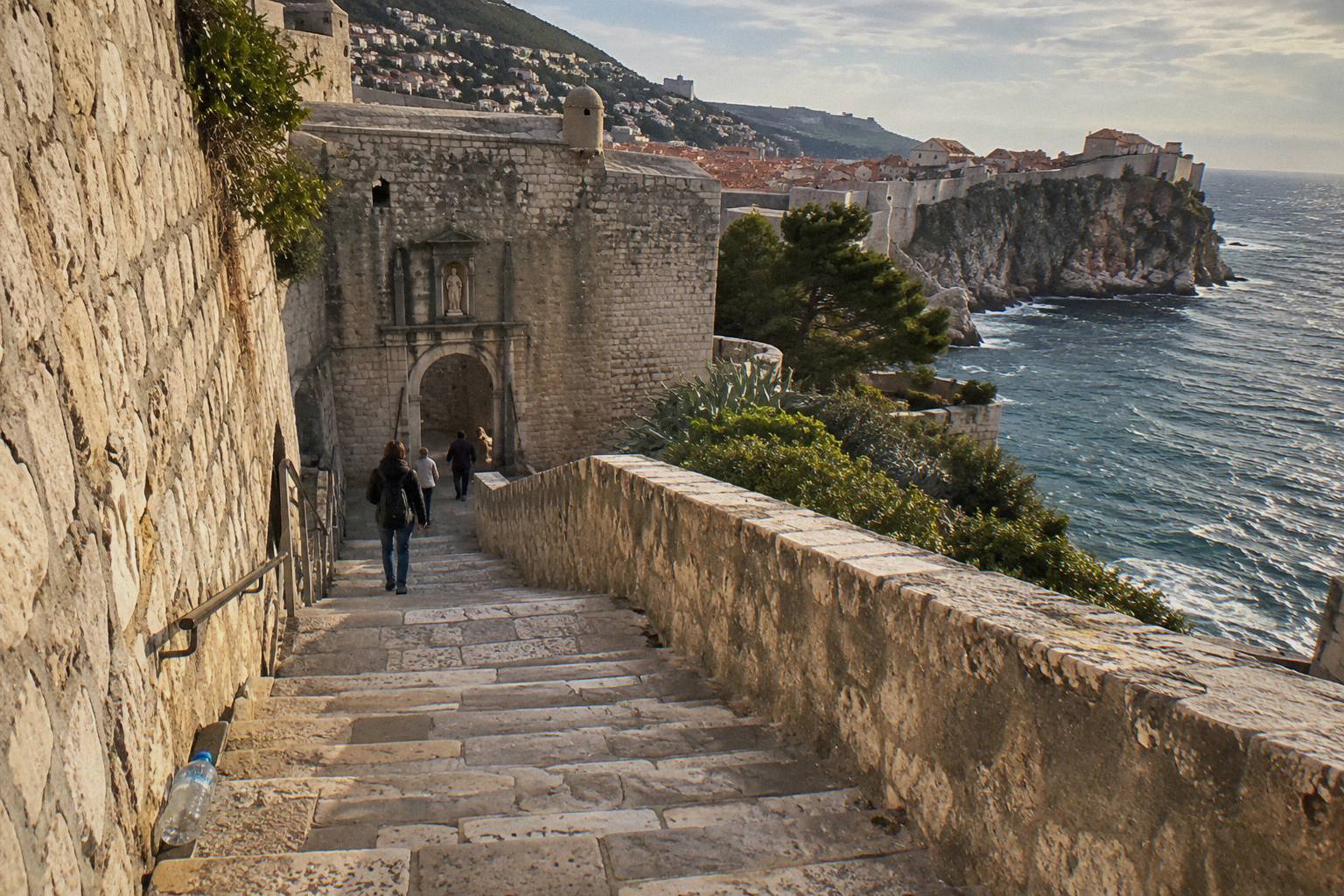
Wear closed shoes with grip, light clothing you can layer, a hat and sunscreen, and carry more water than feels necessary. That is the short answer, and it holds for almost every visitor. The Dubrovnik Walls Tour site exists because the walls are the city's headline walk: a 1,940-metre circuit, up to 25 metres high in places, built from pale limestone that throws heat back at you in summer and turns slippery when wet. The official rules from the walls' operator are blunt about the essentials: bring water, a hat and sunscreen. Everything else is refinement.
There is no dress code to pass and no bag inspection like an airport. What exists instead is a set of conditions, stone underfoot, exposure above the rooftops, one circuit per ticket with no re-entry, that punish under-packing more than over-packing. Get the basics right and the walk is comfortable. Get them wrong and two hours on the wall becomes a countdown to the next exit.
This page works through the packing list item by item, using the official ticket rules, the physical facts of the wall itself, and the ways guided tours change what you need to carry. If you want the harder physical questions answered first, the companion piece on how hard the walls steps and slopes actually are covers the terrain in detail; this one stays on the kit.
To walk the Dubrovnik City Walls, wear closed shoes with rubber soles and clothing in light layers, and bring a hat for the walk. Carry water, sunscreen, and your ticket somewhere easily reachable, so each item is simple to get to when you need it along the way. The wall itself dictates the list: 1,940 metres of worn limestone walkway, stairs between sections, and very little shade once you are above the rooftops. The operator's own rules name water, a hat and sunscreen as the essentials, and everything beyond those three is a comfort upgrade rather than a necessity for the circuit.
The surface is the single biggest factor. The main wall is 4 to 6 metres thick on the land side and 1.5 to 3 metres on the sea side, per the official description of the structure, and the walkway on top is worn limestone, smoothed by centuries of feet. Smooth stone plus summer heat plus thousands of visitors equals a surface that rewards tread and punishes bare soles. Sandals are not banned, but a twisted ankle halfway round a one-circuit ticket is a miserable way to lose the fee.
A guided circuit adds one small item to the list: the meeting arrangements. Most guided walks, including the 2-Hour Walls & Wars Walk by Dubrovnik Walks (the most reviewed tour on this site, rated 4.9 across 1,434 reviews, from €25 per person), supply audio headsets in groups of four or more, so you hear the guide without crowding. The walls ticket is extra on that tour and on most guided walks, so buy or book it before you climb; the tickets and prices guide explains what the ticket covers.
If you are still choosing whether a guide fits your day, these three cover the main formats:
What Shoes Actually Work On The Wall Surface?
Closed, flat shoes with a decent rubber tread are the right call for the wall surface, and trail shoes, trainers and sturdy walking sandals all work well. Smooth-soled shoes, high heels and flip-flops do not, so those are best left at home or in the car. The wear pattern of the limestone makes grip matter more than stiffness, and the stairs between wall sections make an open heel a real liability. No rule on the wall mandates footwear, so this is planning advice from the surface itself, not a gate check, and nobody will turn you away for wearing sandals.
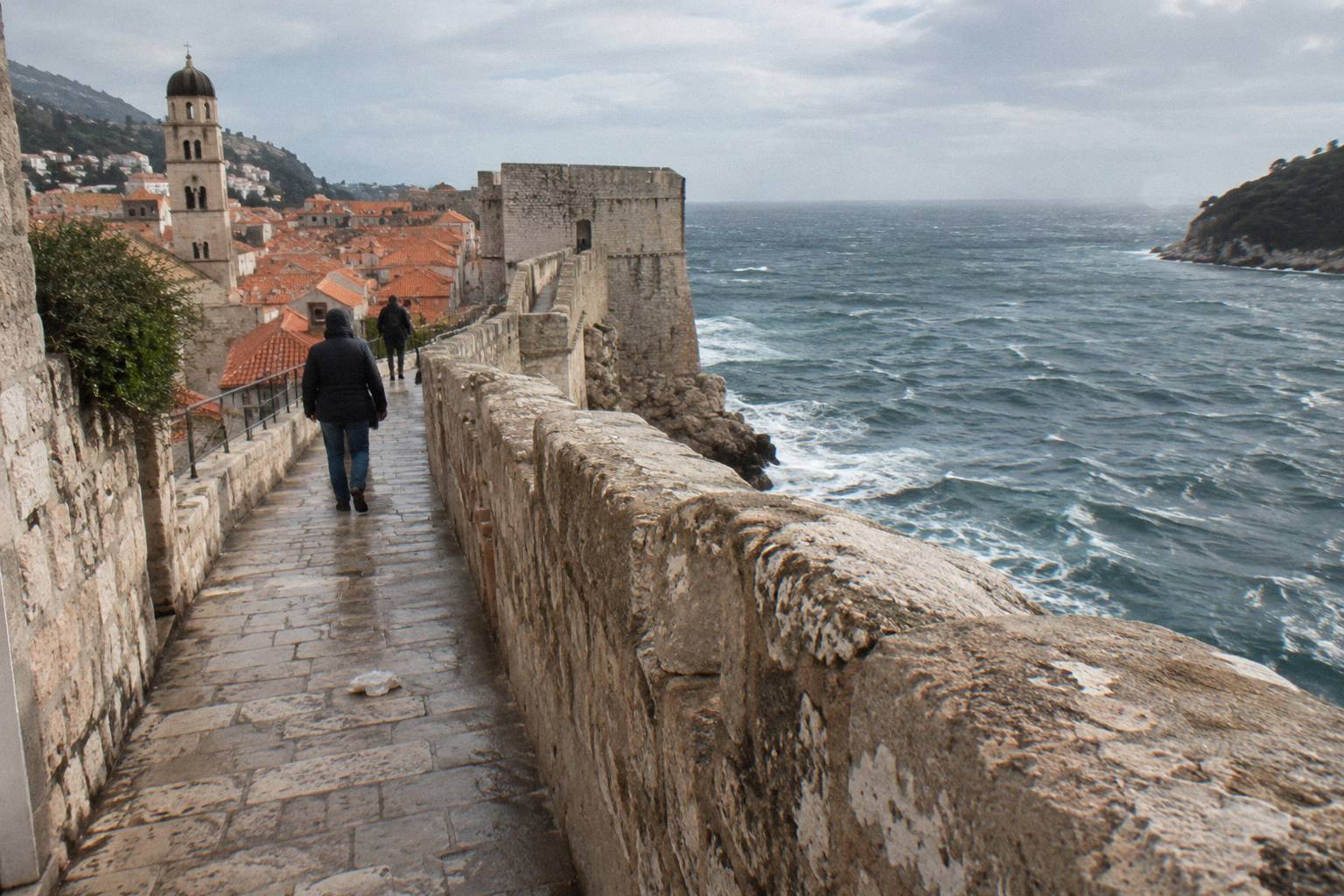
The surface varies more than photos suggest. Some stretches are broad and gently stepped; others narrow between towers with a drop on one side and a parapet on the other. After rain, worn limestone gets genuinely slick, and in the middle of a summer day it radiates heat through thin soles. A shoe that grips both wet and dry stone, and covers the toes for the down-stairs sections, removes nearly every foot-related mishap on the circuit.
One thing the official rules make clear: no jumping, climbing, leaning or photographing on the wall edge, per the operator's FAQ and behaviour rules. Good shoes keep you steady enough that the temptation to brace on an edge never arises.
A Quick Shoe Comparison
| Shoe type | Grip on worn limestone | Verdict for the circuit |
|---|---|---|
| Trail or walking shoes | Strong, wet and dry | Best all-round choice |
| Trainers / sneakers | Good when dry | Fine for most of the year |
| Walking sandals (strapped) | Moderate | Workable, less toe protection on stairs |
| Flip-flops | Poor | Avoid, stairs and edges |
| Smooth formal shoes | Poor | Avoid |
If you are packing light for a wider Croatia trip and only have room for one pair, a trainer with a soft rubber sole covers the walls and everything else Dubrovnik asks of your feet.
What Should Go In Your Bag For The Circuit?
Pack water first, since it is the one non-negotiable item for the circuit, then add sun protection and a light layer for the wind you will meet on the exposed sea side. With those three in your bag, you are covered for the water, sun, and wind demands of the route. The official rules list water, a hat and sunscreen as the three things to bring, and that list is not decoration. The circuit sits above the rooftops with little shelter, one pass takes most visitors a couple of hours or more, and nothing on the wall replaces what you forget, so a small daypack holding a bottle, hat, sunscreen and a layer covers everything the walk demands.
How much water is a planning judgement, not an official figure. On a mild spring morning, one small bottle is plenty for many people. On a bright summer afternoon, a litre or more per person is the safer starting point, and the blog post on whether the walls get too hot in summer goes deeper on timing. There is no drinking fountain promised anywhere on the circuit, so treat the water you carry as the water you have.
The official FAQ also notes the sites are hard to access for people with disabilities, which is worth reading as a packing signal too: stairs are frequent, so every item in your bag is an item you will carry up them. Keep the pack small.
The Short Packing List
- Water, more than you think on a hot day
- Hat or cap with a brim
- Sunscreen, applied before you climb
- One light layer for wind on the sea side
- Phone or camera, the views are the point
- The walls ticket, physical or on your phone, kept until the end of the circuit
If you would rather a licensed guide handle the route, the timing and the context while you carry only the essentials, the featured Sunset Walls Walk by Experience Dubrovnik pairs well with this packing list: it runs 2 hours, rates 5 across 60 reviews, starts from €25, and the walls ticket is extra. You can check availability alongside the full sunset walk details on its tour page.
How Much Sun And Heat Should You Plan For?
Plan for full sun and very little relief: the top of the wall sits above the rooftops with minimal shade, so you will be exposed for the length of your walk. A hat, sunscreen and smart timing matter far more than any single clothing choice, so plan your visit with the sun in mind rather than counting on cover along the way. The official rules direct visitors to bring water, a hat and sunscreen, and the practical advice that follows is to treat the wall like a boat deck rather than a city street. The pale stone below adds reflected light from underneath, which is why coverage beats bare skin.
Timing is the cheapest sun protection available. Early morning and late afternoon circuits trade peak heat for softer light, and several guided tours are built around exactly that trade. The Early Bird Walls Tour by Dubrovnik Bucket List runs 2 hours, rates 4.8 across 435 reviews and starts from €25 per person, with the walls ticket extra; the opening hours by season guide explains how the visiting window shifts through the year.
Clothing-wise, the counterintuitive answer in strong sun is often more coverage, not less: a light long-sleeve shirt in a breathable fabric protects better than bare shoulders and stays cooler than sunburned skin. Shoulders and the back of the neck take the most sun on an elevated, unshaded walk. Sunglasses earn their place in the bag for the sea glare alone.
What Clothes Suit The Stone, The Stairs And The Sea Breeze?
Light, breathable layers are the answer for stone, stairs and sea breeze. Build the outfit from a t-shirt base, add a shirt or light jacket for the sea side, and finish with trousers or shorts you can comfortably climb stairs in. The wall creates its own microclimate, hot on the land-facing stretches in summer, breezy on the sea-facing runs, and funnel-like in the narrow tower passages. Layers let you adapt to all three without carrying bulk, and a breathable fabric handles both the heat and the odd brush against limestone.
Think about movement, not just warmth. The circuit includes stairs up to and down from wall sections, crouch-height doorways through towers, and stretches where you brush close to stone. Restrictive clothing turns those moments into annoyances. Loose-fitting, natural-fabric clothing handles heat better and copes with a scrape against limestone far better than anything delicate.
Rain changes the answer. Worn limestone is slick when wet, so a light waterproof, more for keeping your grip-confidence than for comfort, belongs in the bag on a changeable day. The walls are open every day except 25 December per the operator's FAQ, and winter runs 1 November to 31 March, so off-season visitors should pack a warmer layer than the brochures suggest. One planning habit worth stealing: dress for the hour you will finish, not the hour you start, since a late-afternoon start can end in a cooler, windier hour than the one you dressed for.
What Are You Allowed To Bring, And What Do The Rules Say?
You can bring small bags, phones and cameras, and dogs are welcome as long as they stay on a lead. What you cannot do is fly drones for commercial shoots, drop litter, or attempt edge-climbing stunts, so pack light, keep your dog close and leave any risky climbing tricks at home to stay within the rules. The official behaviour rules are short and practical: a purchased ticket kept until the end, children always supervised, no jumping, climbing or leaning on the wall edge, no litter, and no commercial photography without approval. There is no bag size rule and no food ban stated, so a daypack with water and a snack raises no issue at all.
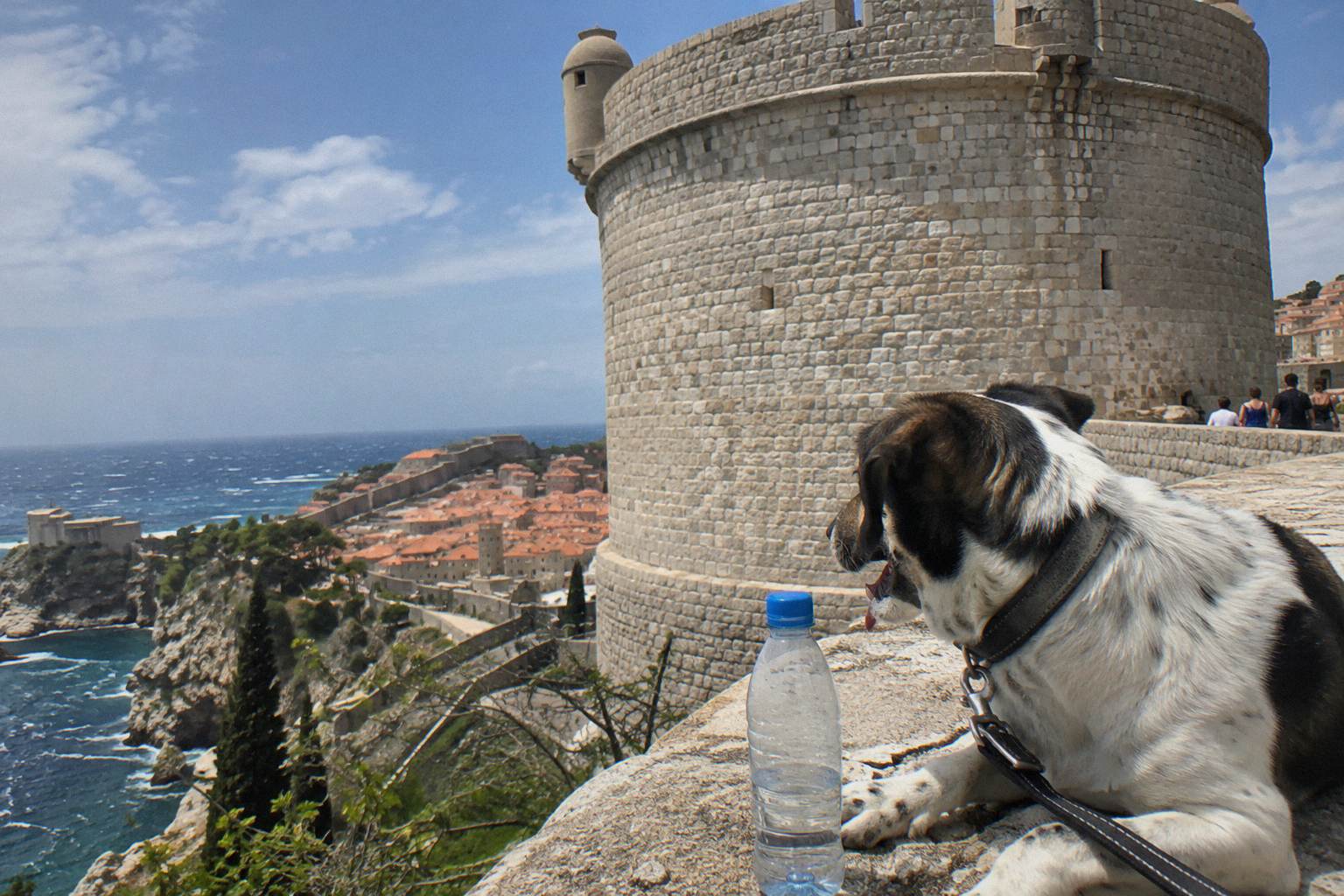
The photography line is worth understanding precisely. Ordinary photos for yourself are the whole point of the circuit. What needs approval is commercial photography, meaning organised shoots, not your holiday pictures. And the safety rule about not photographing at the wall edge exists because people step back for a frame without looking; keeping both feet planted and using the zoom instead is the habit that keeps the rule irrelevant to you.
The ticket itself is the one item you must keep, physically or on your phone, until the end of the circuit, and it is valid for one pass with no re-entry. That rule shapes packing in a small way: do not tuck the ticket somewhere you cannot reach, because it may be checked on the wall.
For families, the supervision rule means the adult's bag carries the children's water too. The blog post on whether the walls work for kids, strollers and wheelchairs covers the practicalities; the packing version is simply more water, more snacks, and hats for small heads.
Does A Guided Tour Change What You Need To Carry?
A guided tour changes very little about what goes in your bag: you still need water, sun protection and your ticket, so pack those as you would on any other day out. What actually disappears is the weight you carry in your head rather than on your shoulders, since the guidebook stays home and so does the anxiety about finding your own route. What a guided walk adds is context at the towers and fortresses, audio headsets on some tours, and a fixed start time that forces the one packing decision most people get wrong, which is setting out early enough to finish the circuit in comfortable conditions.
The formats vary. Small-group guided walks like the Small-Group Walk With A Local by Dubrovnik Local Guides (2 hours to 2 hours 20 minutes, rated 5 across 90 reviews, from €36 per person, walls ticket extra) handle the storytelling while you handle the water bottle. Private options such as the Private Walls, Stories & Views tour by Dubrovnik Walking Tours (2 hours, rated 4.9 across 127 reviews, from €100, walls ticket extra) add flexibility on timing, which is quietly a sun-protection tool: a private guide can start when the light is gentle.
Tours that include the walls ticket remove one item from your mental checklist. The Walls Walk, Entrance Ticket Included by Elite Travel LTD (3 hours, rated 4.5 across 47 reviews, from €103 per person) builds the ticket in, so there is nothing to buy or keep track of before the climb beyond your own gear. Whether that premium beats buying the ticket yourself is the question the guided versus self-guided guide answers.
One packing note specific to guided walks: headsets in groups of four or more appear on several listings, so a small pocket or bag compartment for the receiver is genuinely useful.
What Trips People Up When Packing For The Wall?
The classic slip-ups are the same ones time and again: turning up in flip-flops, carrying just one small bottle of water on a hot day, setting off without a hat, letting the phone battery die, and starting so late that finishing comfortably is no longer realistic. Each one is avoidable with a two-minute check at the hotel door. None of them will be caught by staff, because the rules cover safety and respect for the site rather than visitor comfort; the wall is unforgiving in a hands-off way, and it leaves the consequences of bad packing entirely to the visitor.
The late-start mistake deserves its own warning. Because the ticket allows one circuit with no re-entry, and last entry is at closing time, a late start in a short winter window leaves no slack for the pace the wall actually demands. The blog post on how long the circuit takes gives the timing picture; the packing consequence is simple, start with more daylight ahead of you than the walk strictly needs.
The phone-battery point is practical, not trivial. Tickets can be on the phone, and most visitors navigate, photograph and check hours on the same device. A power bank in the daypack solves it for grams of weight.
If your day is built around a cruise stop, the shore excursion formats bundle the logistics: the Shore Excursion Walls Walk by Elite Travel LTD (3 hours, rated 4.7 across 29 reviews, from €103 per person) includes the walls ticket and a shore excursion guarantee. The post on walking the walls on a cruise port day covers the timing math; getting from Gruz port by city bus costs EUR 2.50 for a single ticket bought on board, per the official Libertas price list, with lines 1A, 1B and 3 serving Pile Gate and Gruz. That fare belongs in your pocket planning, not your daypack, but it is the first packing decision of the day.
The final packing check, then, takes seconds: shoes with grip, water filled, hat on head, sunscreen applied, ticket reachable, phone charged. Do that and the wall gives back everything the photographs promise.
Common Questions About What To Wear And Bring To The Dubrovnik Walls
What Should You Wear And Bring To Walk The Dubrovnik City Walls?
Wear closed shoes with rubber grip and light layers, and bring water, a hat, sunscreen and your ticket. The official rules name water, a hat and sunscreen as the essentials, and the exposed, stair-heavy circuit makes grippy footwear the single most important clothing choice.
Can You Wear Sandals On The Dubrovnik Walls?
Nothing bans them, but strapped walking sandals are a compromise and flip-flops are a poor choice. The worn limestone walkway and the stairs between wall sections reward tread and full foot coverage.
Is There Shade Or Anywhere To Buy Water On The Walls?
No shade or water sales on the circuit are promised anywhere official, so plan as if there are none. Carry all the water you will want for the full one-circuit visit.
Can You Bring A Dog Or A Camera Onto The Walls?
Yes to both, within the official rules. Dogs are allowed on a lead, larger dogs muzzled. Ordinary photography is fine; commercial photography needs approval, and nobody may climb or lean on the wall edge for a shot.
Do Guided Tours Provide Anything That Changes Your Packing?
Only slightly. Some guided walks, like the 2-Hour Walls & Wars Walk by Dubrovnik Walks, supply audio headsets in groups of four or more. You still carry your own water, sun protection and ticket unless the specific tour lists the walls ticket as included.
What Do Children Need On The Wall?
Children must be supervised at all times under the official rules, so the adult's bag should carry their water, snacks and hats. Under-7s enter free, and ages 7 to 18 need a child ticket.